
Zaman Festival
A celebration of music, art and nomadic life in the dunes of M’hamid El Ghizlane, the gateway to the Sahara.
Festivals & moussems · The Moroccan year
Twelve gatherings worth building a journey around — from a Gnawa night in Essaouira to a nomad camp at the edge of the Sahara. What each one is, when it falls, and which of ours run alongside it.
Every gathering we keep an eye on, in the order it falls. Dates move — most confirm three to five months out — so we hold rooms on last year’s week and confirm when the programme lands. Winter is deliberately quiet; that is when the private sessions happen.
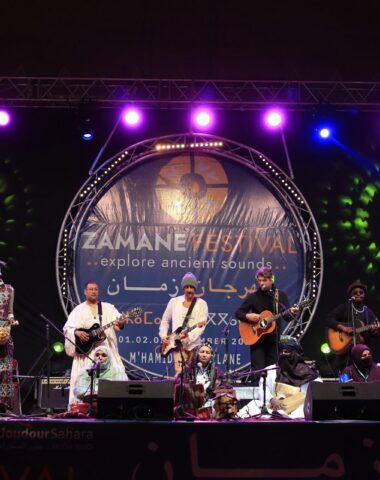
A celebration of music, art and nomadic life in the dunes of M’hamid El Ghizlane, the gateway to the Sahara.
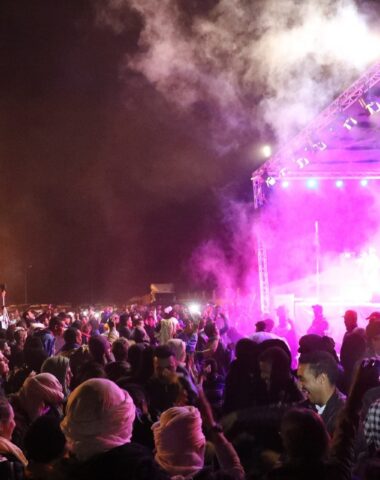
Local and international artists celebrate nomadic culture, music and desert traditions at the edge of the Sahara.
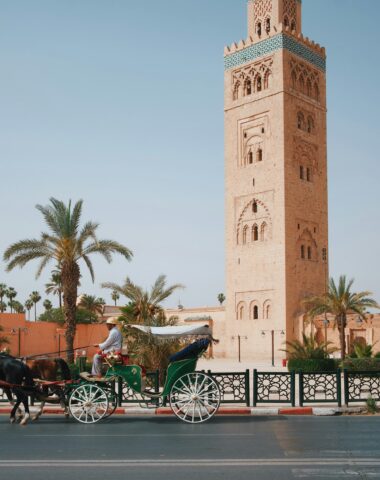
Nine days and two million people. The international stages are the draw; the Moroccan ones at Chellah are the reason to stay.
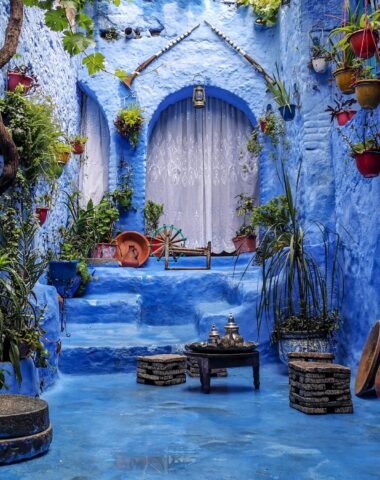
Amazigh music at scale — Souss groups, Rif singers and Saharan ensembles on open-air stages by the sea.
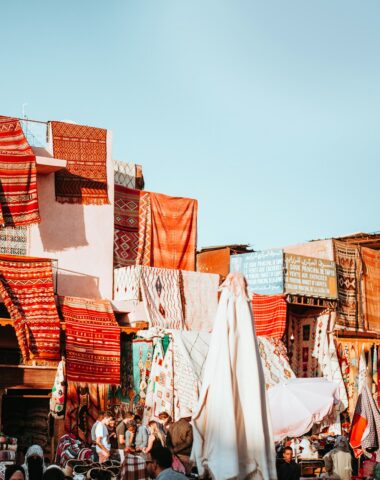
The city’s jazz week, where the international bill matters rather less than who turns up to play after it.
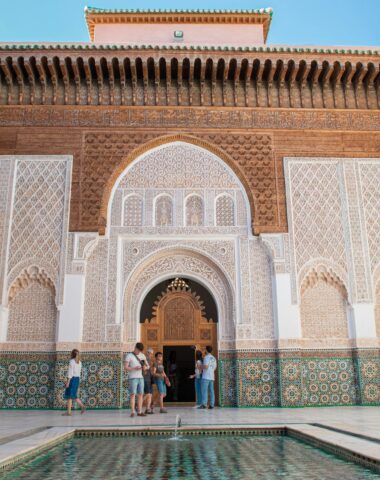
Four days across courtyards and rooftops in the old city — deliberately small, and deliberately late.
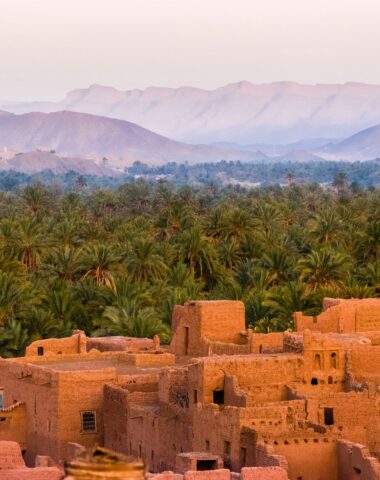
Moroccan rock, rap and fusion. The festival that gave most of the country’s current bands their first stage.
Electronic music in a garden outside the city, with a Moroccan booking policy that has become the point of it.
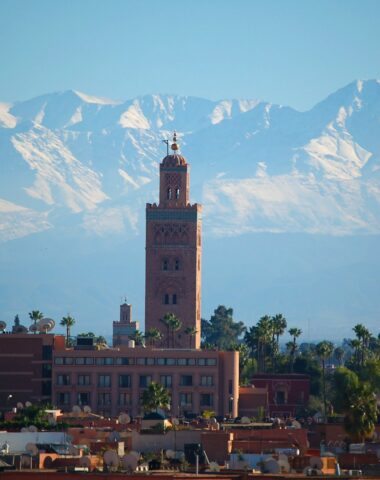
Better known for its marriages than its music, which is a shame — the ahwach runs for three days and most of the night.
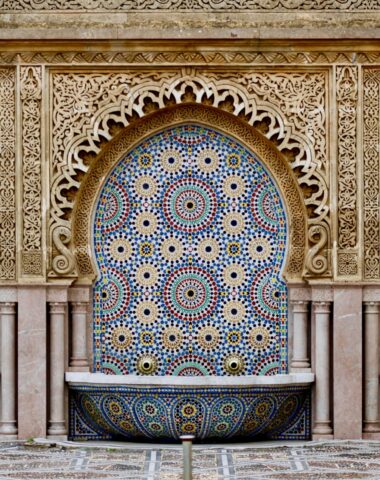
Quieter than the Sacred Music festival — hadra, sama’ and lectures, most of it in rooms that hold eighty people.
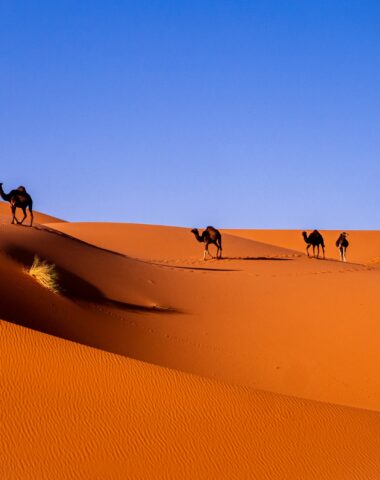
A nomad gathering at the edge of the Sahara — Amazigh, Gnawa and Tuareg groups, and two nights under canvas.
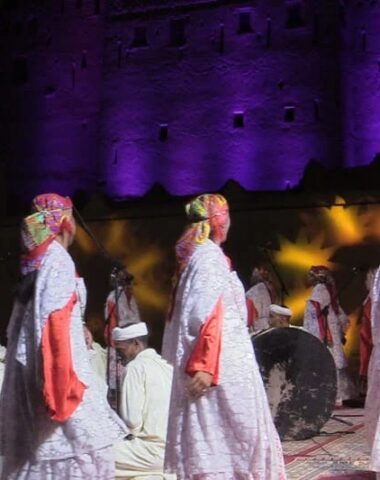
Traditional Amazigh music meets world rhythms in a festival setting in Ouarzazate, the gateway to the Sahara.
A festival is the anchor, not the itinerary. We build the days around it — the drive in, the musicians worth meeting before the stages open, somewhere to sleep within walking distance of the last set, and a quiet day afterwards because you will need one.
Dates are the hard part. Most Moroccan festivals announce three to five months out, and Essaouira in particular sells its town out within days of the announcement. We hold provisional rooms from January on the strength of the previous year’s dates, then confirm or release them. If you know which festival you want, tell us early — that is the whole trick.
Tickets are usually the easy part. Gnaoua is largely free and open; Fes, Timitar and Jazzablanca sell seated tickets we can buy on your behalf. What is never for sale is the lila afterwards — that runs on invitation, and it is the reason to travel with people who are already invited.
Most announce between January and March. Gnaoua and Fes are usually first, Taragalte last. We work from the previous year’s week until the programme is confirmed.
It depends on the festival. Gnaoua is largely free and open to the town; Fes, Timitar, Mawazine and Jazzablanca sell seated tickets, and we buy those on your behalf as part of the trip. Where a pass only buys you a better seat rather than entry, we will say so.
Inside the Essaouira medina, within walking distance of every stage, which matters more than anything else that week. The town has a few thousand beds and the festival brings several hundred thousand people, so we hold rooms from January and release them if the dates move.
Not always, and we will say so. A festival is the easiest way to hear a lot of it at once and the hardest way to hear it well — the best playing usually happens in a room with eight people in it. Several of our journeys avoid festivals entirely for that reason.
Six to nine months for Essaouira, three to four for everywhere else. The constraint is beds, not tickets.
Sometimes. Timitar and Jazzablanca fall close enough together in July to make a single trip, and the two Fes festivals sit at opposite ends of the year rather than together. Tell us which two and we will tell you honestly whether the calendar allows it.
Gnaoua, Timitar and Taragalte are, and Moroccan audiences bring children to all three. The late sets and the lilas are not, but they are also optional. Oasis and L’Boulevard are adult evenings by temperament rather than by rule.
We move the trip with them at no charge, which is why we hold rooms rather than book them outright. If the new dates do not work for you, everything paid becomes credit against a future journey. Flights are the part we cannot protect, so we advise booking those only once the programme is confirmed.
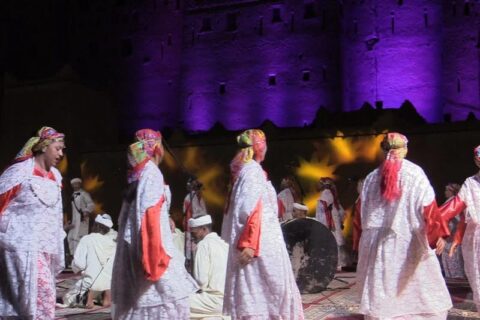
Dive into the rich rhythms of Morocco’s Atlas region with our Ahwach World Beats Festival Tour.
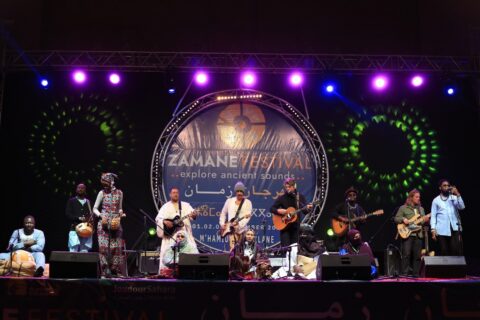
Join us for an unforgettable desert adventure to experience the Zaman Festival — a celebration of music, art, and nomadic life in the golden dunes of M’hamid El Ghizlane, the gateway to the Sahara.
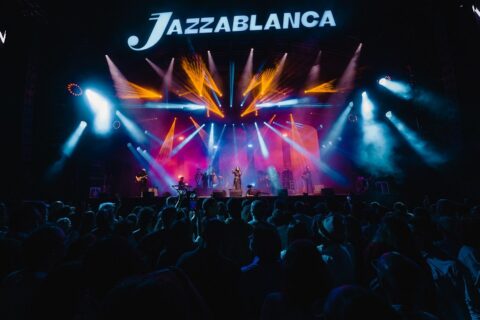
Experience the pulse of Morocco’s modern music scene with our Jazzablanca Festival Tour.