
Guides · August 2026 · 2 min read
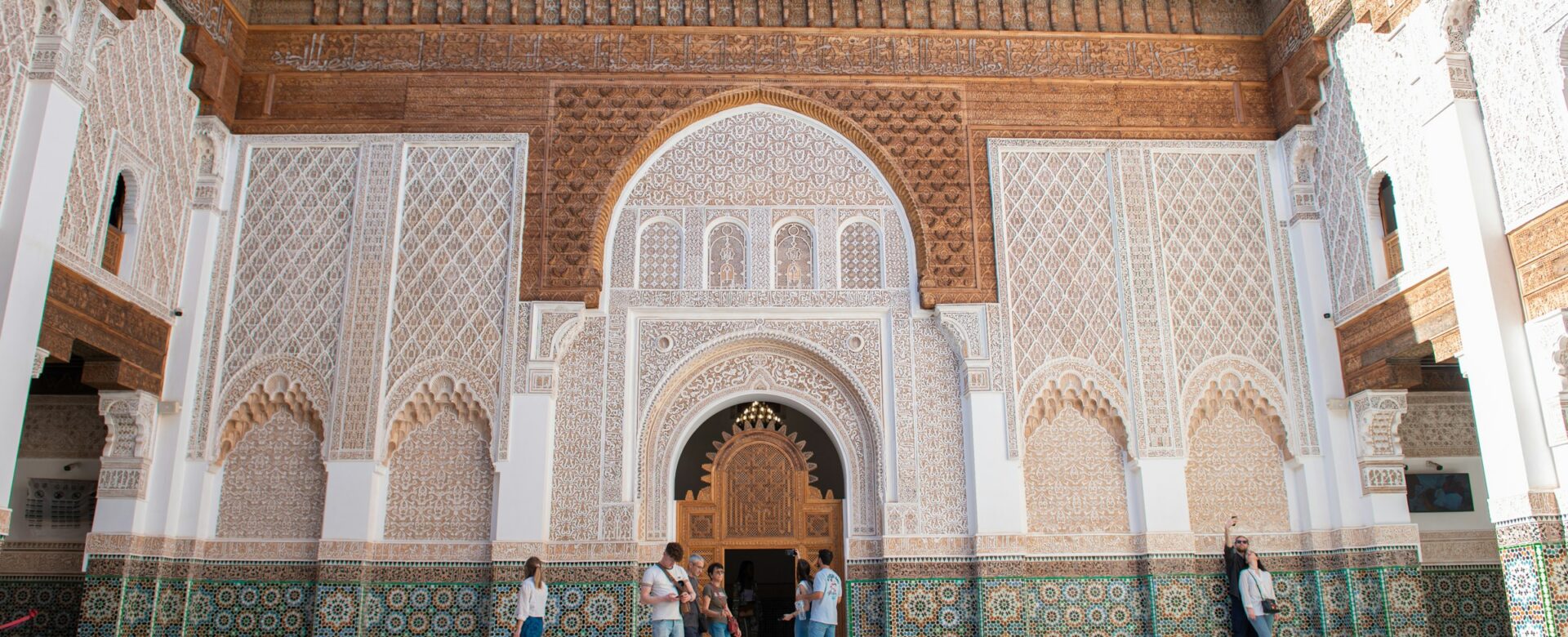
How to behave in a room where music is happening.
Ten small things that make the difference between being a guest and being an audience. None of them are about music.
Journeys, workshops and recording sessions built around the musicians who carry Morocco’s traditions — Gnawa, Andalusian, Amazigh, Sahrawi and Sufi.
Guides · August 2026 · 2 min read
Ten small things that make the difference between being a guest and being an audience. None of them are about music.
Culture · June 2026 · 2 min read
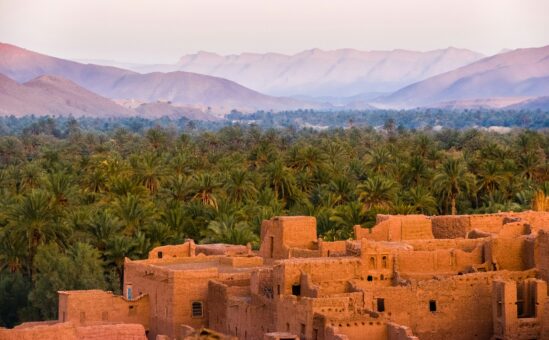
Three strings, a camel-skin face, a body carved from one piece of wood, and a bass line that has not changed in three hundred years.
Essays · May 2026 · 2 min read
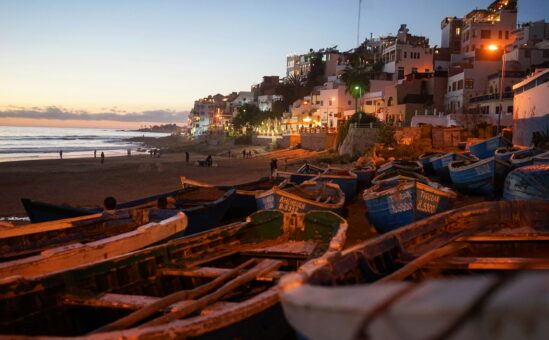
Between four in the afternoon and ten the next morning it is a different town. On staying two nights in a place designed to be seen in five hours.
Across Morocco, music is still a practice you take part in — not a stage you sit in front of. Our journeys are built around time with maâlems, masters and village ensembles: you learn the grip, you hold the low line, you play. For bands and artists we go further — studio time at Sahara Records in Ouarzazate, mobile recording on location, and sessions written with the musicians you meet.
Masters of the Gharnati suite, performing the Andalusian repertoire that travelled from medieval Córdoba to the courts of Fez.
Guides · August 2026 · 2 min read
Ten small things that make the difference between being a guest and being an audience. None of them are about music.
Culture · June 2026 · 2 min read
Three strings, a camel-skin face, a body carved from one piece of wood, and a bass line that has not changed in three hundred years.
Essays · May 2026 · 2 min read
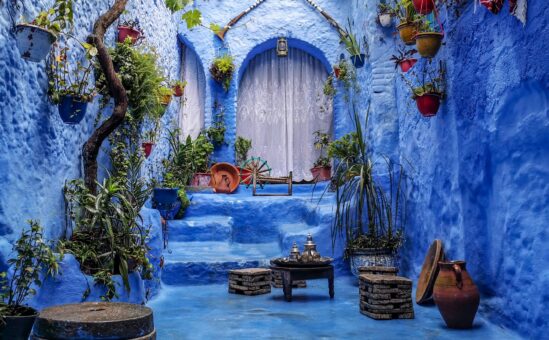
Between four in the afternoon and ten the next morning it is a different town. On staying two nights in a place designed to be seen in five hours.
The team arranged everything perfectly — from the drive through the Atlas Mountains to the peaceful night in the Sahara. The landscapes, culture, and hospitality were unforgettable.
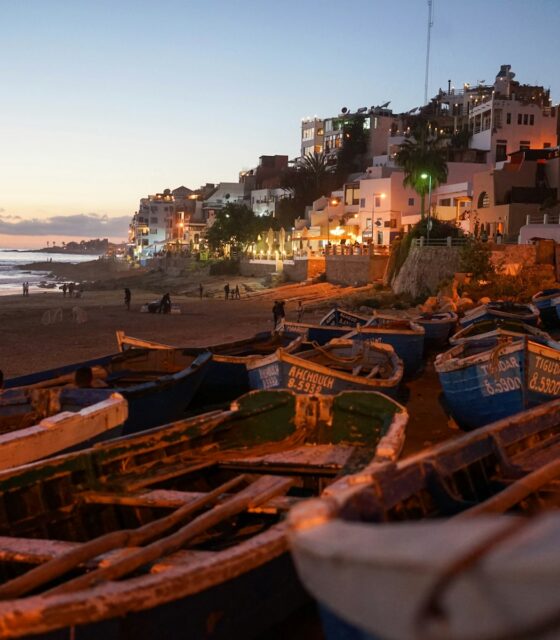
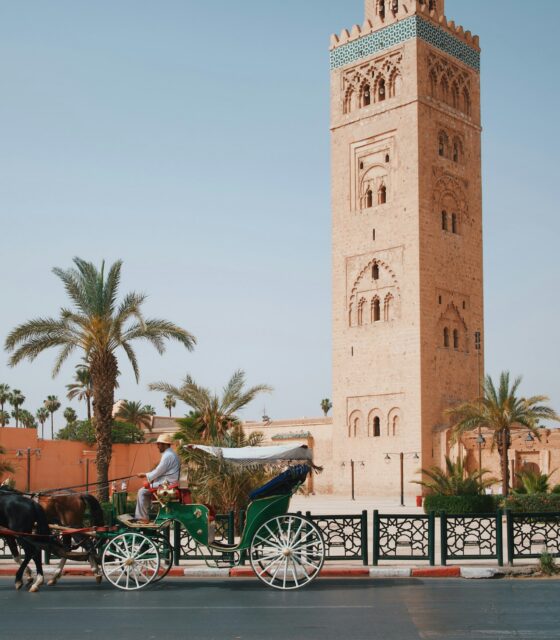
Gnawa · Atlantic coast
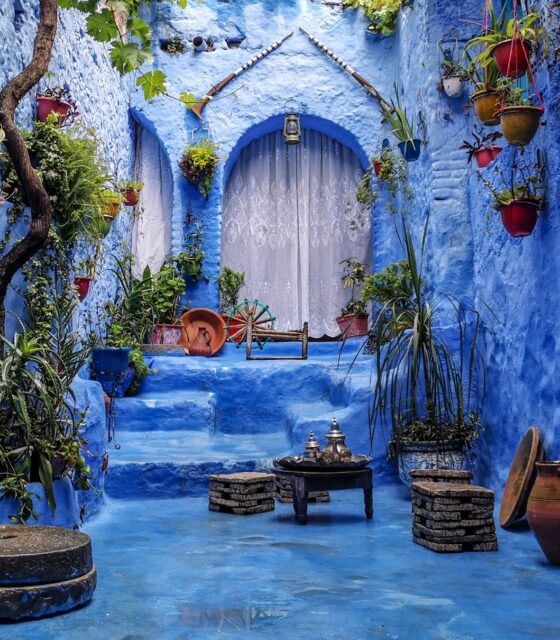
Andalusian · Sufi
Halqa · Lila
Andalusian · Riffian
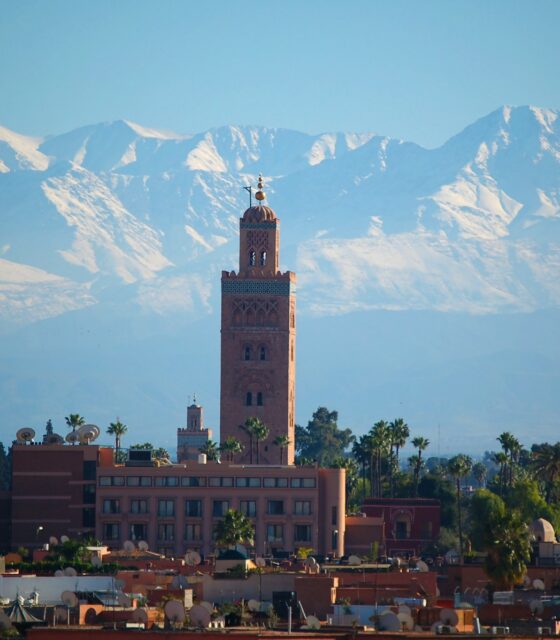
Amazigh · Ahwach
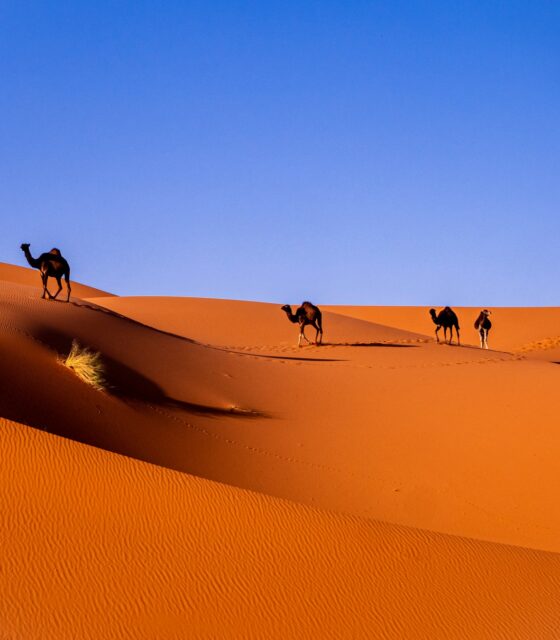
Hassani · Malhun
Guides · August 2026 · 2 min read
Ten small things that make the difference between being a guest and being an audience. None of them are about music.
Culture · June 2026 · 2 min read
Three strings, a camel-skin face, a body carved from one piece of wood, and a bass line that has not changed in three hundred years.
Essays · May 2026 · 2 min read
Between four in the afternoon and ten the next morning it is a different town. On staying two nights in a place designed to be seen in five hours.
No. About half the people who travel with us don’t play at all — they come to listen and end up holding a qraqeb by the second night. Workshops are taught by demonstration, not notation.
Private. Every tour runs with your own driver and vehicle, and the itinerary is built around your group — two travellers, a family or a whole band.
Yes — several of our journeys are built around it. We work with Sahara Records, a studio in Ouarzazate, and take a mobile recording set-up into the desert, so sessions can happen in the studio, in the dunes or around the fire.
Yes. Alongside the music journeys we run classic private tours from Marrakech, Casablanca, Fes, Tangier, Errachidia and Ouarzazate — Sahara nights in Merzouga and M’hamid, the Atlas passes, the imperial cities, and day trips to Essaouira, Ouzoud or Chefchaouen.
That is how several of our journeys are designed. Gnaoua in Essaouira in June, Taragalte in the desert in autumn, Jazzablanca in July — we time the route so the festival sits at the centre of it rather than being a stop along the way.
TO WRITE — the design shows this item collapsed, so it carries no answer.
TO WRITE — the design shows this item collapsed, so it carries no answer.
Always. Every itinerary on this site is a starting point: we change the days, the pace and the accommodation, and add studio time, workshops or extra stops.