
Guides · August 2026 · 2 min read
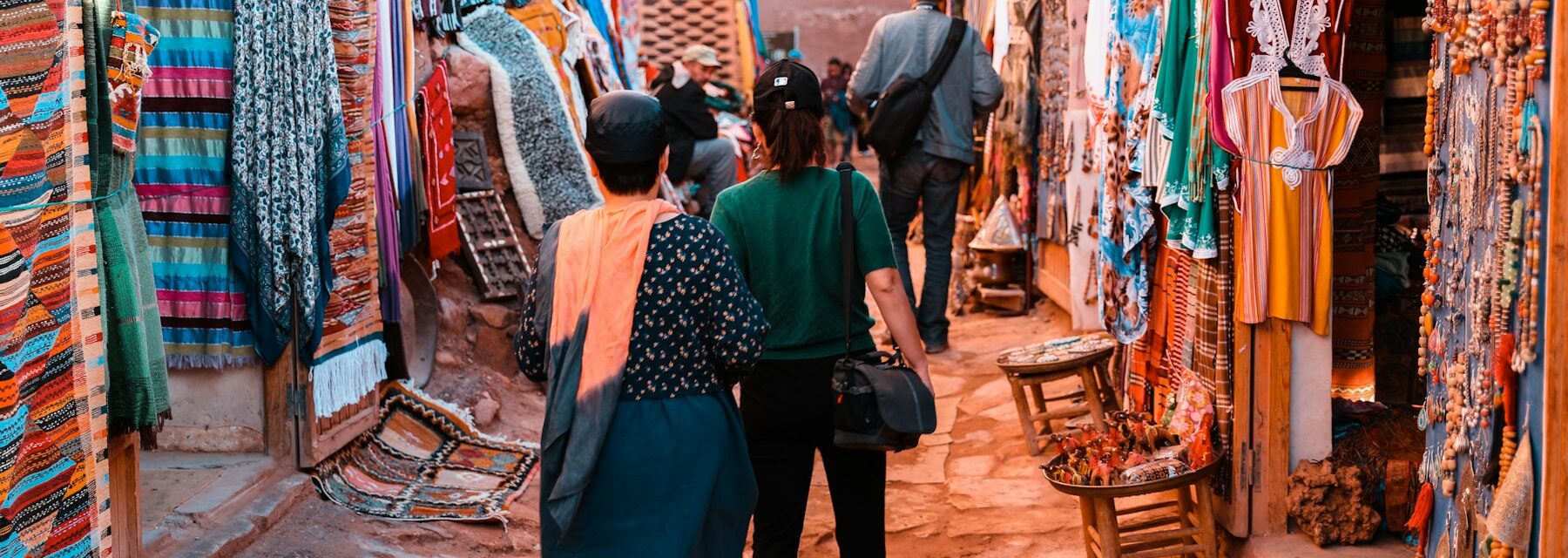
How to behave in a room where music is happening.
Ten small things that make the difference between being a guest and being an audience. None of them are about music.
Fieldwork · March 2025 · 2 min read
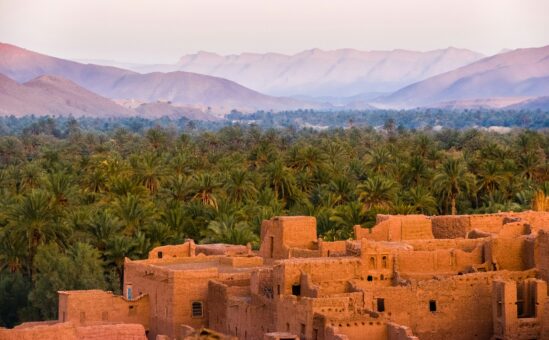
Not the biggest six. The six where the programme, the setting and the town still agree with each other — and what each one asks of you.
Morocco has more festivals than anyone can attend and a handful worth reorganising a year for. This is not the biggest six. Mawazine is the biggest by a wide margin and it is not on this list, because two million people in Rabat is an event rather than a place to hear something. These are the six where the programme, the setting and the town still agree with each other.
Gnaoua, Essaouira, late June. The obvious one, and it earns it. Four days, largely free, in a walled town of eighty thousand that receives several hundred thousand people and somehow absorbs them. The main stages are good. The reason to go is what happens after they close, in houses, on invitation, until dawn. Book accommodation inside the walls or do not bother.
Festival of World Sacred Music, Fes, late May. Nine days in the Batha courtyards, formally programmed, internationally booked, and genuinely serious about the brief. The Sufi nights running in parallel in the medina are free, smaller and in several cases better. Fes in late May is warm and the courtyards are the right temperature after dark.
Taragalte, M’hamid El Ghizlane, November. The smallest on this list and the furthest out — ten hours from Marrakech, at the point where the road stops and the Sahara starts. A few thousand people, Tuareg bands from Mali and Niger, Hassani players from the south, and a nomad forum alongside the music that is worth as much as the stages.
Imilchil Moussem, High Atlas, September. Known abroad as the marriage festival, which does it a disservice. The ahwach runs for three days and most of each night, and it is a village event that visitors attend rather than an event staged for visitors. Cold after dark, basic accommodation, and unlike anything else on this list.
Timitar, Agadir, July. Amazigh music at a scale nothing else attempts — Souss groups, Rif singers, Saharan ensembles, on open-air stages by the sea, free. It is a big, loud, family festival and it is the single best place to understand how much Amazigh music there actually is.
Festival of Sufi Culture, Fes, October. The quiet one. Hadra, sama’ and lectures, most of it in rooms that hold eighty people, much of it in Arabic and French with no translation. If you already know why you want to go, you will get more from it than from anything else in this list.
What they have in common: none of them is primarily a commercial proposition, all of them are attended mostly by Moroccans, and in every case the thing worth hearing is adjacent to the programme rather than on it. Plan around the dates, then leave the evenings empty.
Guides · August 2026 · 2 min read
Ten small things that make the difference between being a guest and being an audience. None of them are about music.
Culture · June 2026 · 2 min read
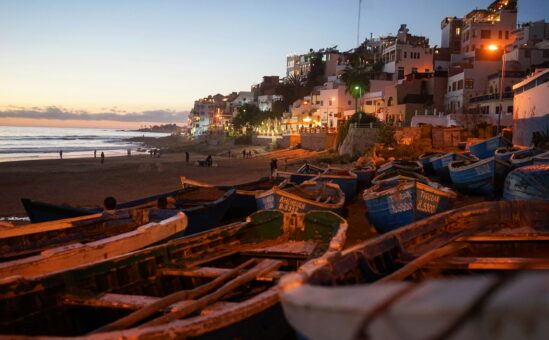
Three strings, a camel-skin face, a body carved from one piece of wood, and a bass line that has not changed in three hundred years.
Essays · May 2026 · 2 min read
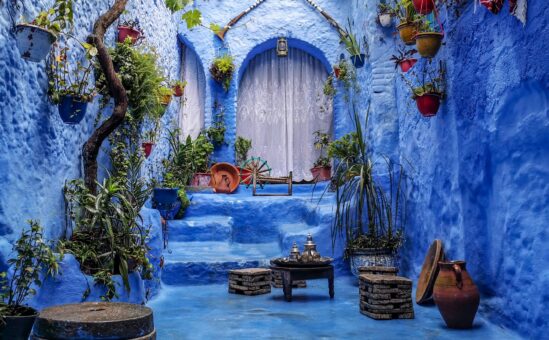
Between four in the afternoon and ten the next morning it is a different town. On staying two nights in a place designed to be seen in five hours.