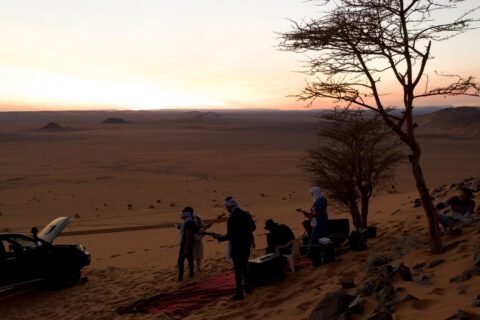
Morocco holds more living musical traditions than almost any country its size — Gnawa carried north across the Sahara, Andalusian nouba brought from medieval Córdoba, Amazigh ahwach in the High Atlas villages, Hassani songs at the desert’s edge, Sufi sama in the zawiyas of Fes. Most of it is still played where it came from, by people who learned it from their families rather than a conservatory.
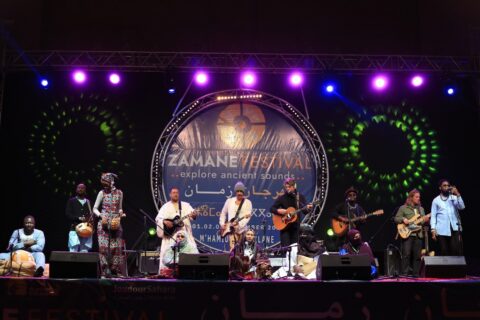
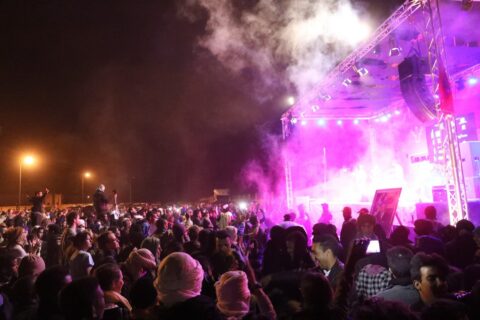
A music tour here is not a concert schedule. Our journeys are built around time with the musicians themselves — sitting in on a lila that runs until dawn, learning the two bass patterns that hold Gnawa together, recording with a desert blues band in a studio in Ouarzazate. Some trips are timed so a festival sits at the centre of them. Others avoid festivals entirely, because the best playing often happens in a room with eight people in it.
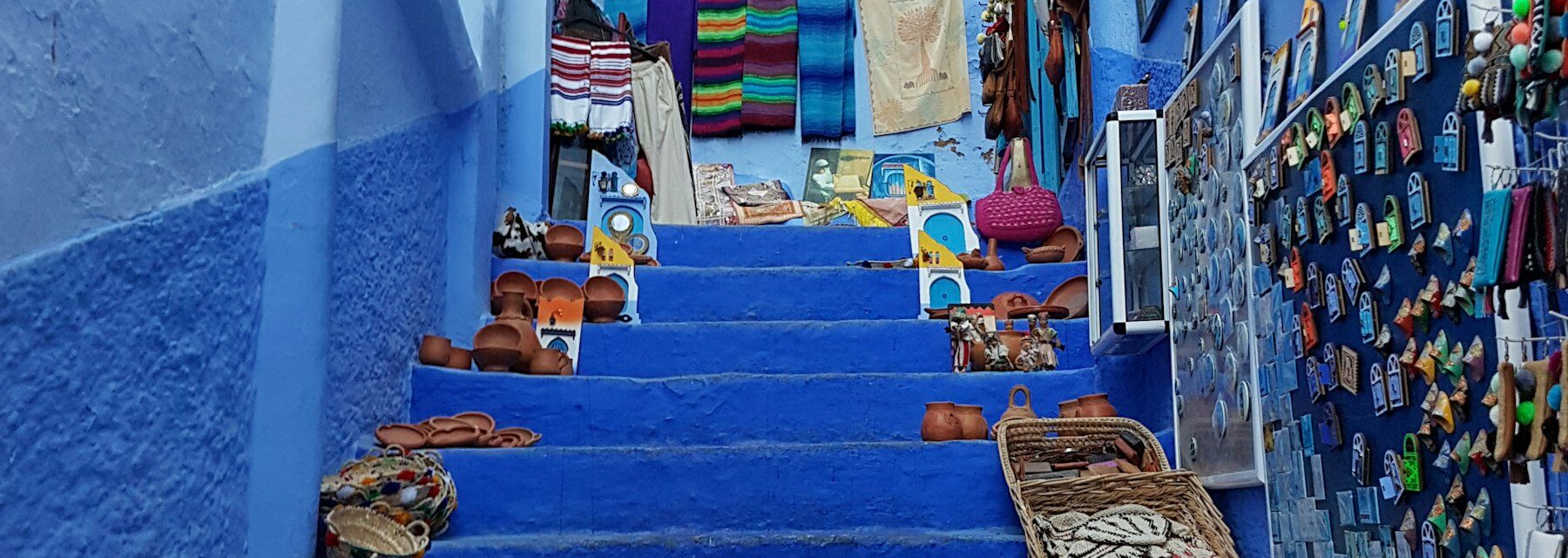
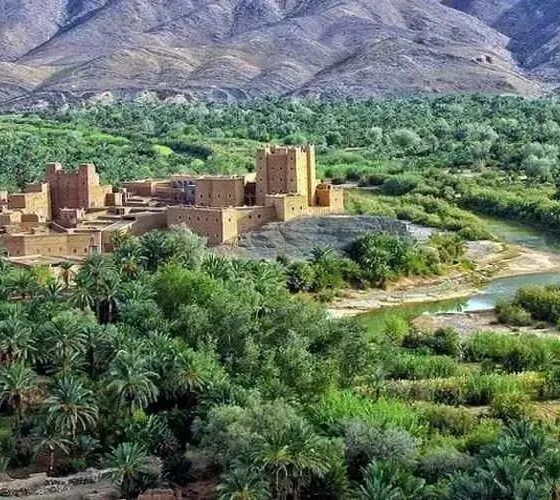
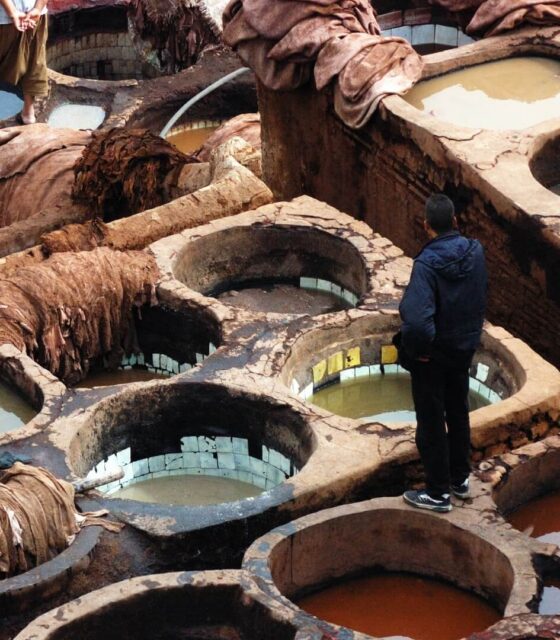
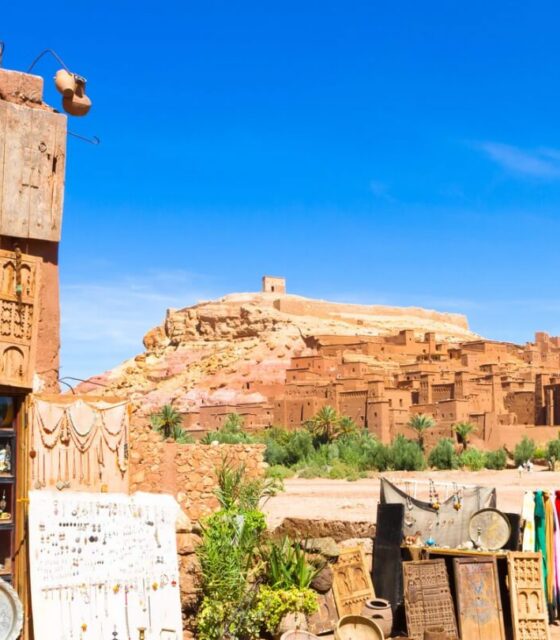
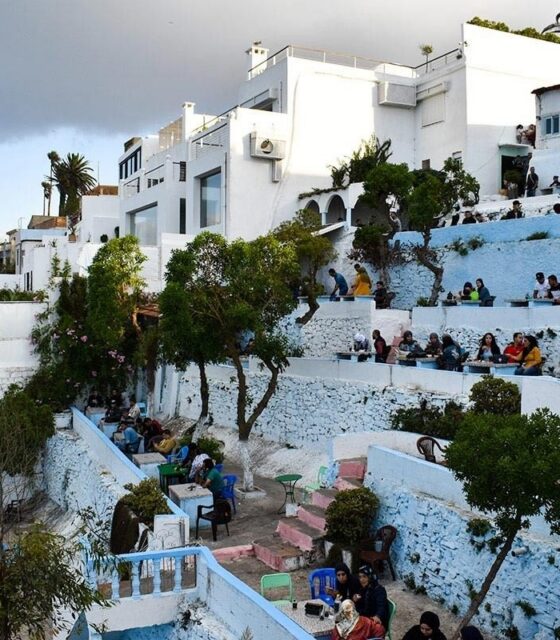
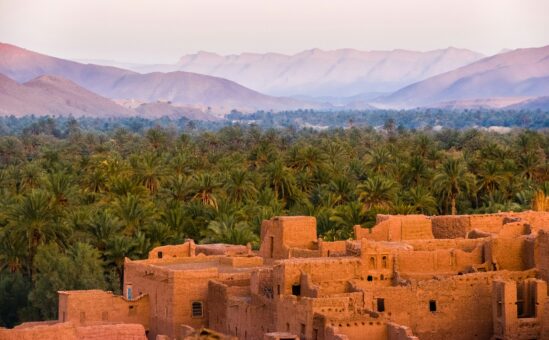
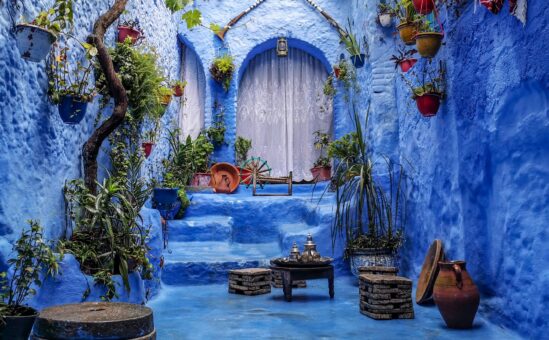
We also run the classic Moroccan routes — the Sahara, the imperial cities, the High Atlas, the blue streets of Chefchaouen — for travellers who want the country first and the music as the thread running through it. Every journey is private or capped small, and any of them can be rebuilt around what you actually want to hear.